


Peptide Comparisons
Retatrutide vs Tirzepatide vs Semaglutide: What Actually Differs
Nov
Retatrutide vs tirzepatide is usually framed as a question about which one is stronger, and that framing is where most of the confusion starts. Retatrutide vs tirzepatide is not a question about two grades of the same compound. They act at a different number of receptor targets, were developed against different questions, and sit at different stages of the regulatory process. Anyone choosing between them for research needs the pharmacology rather than a league table, so this guide sets out what actually separates retatrutide, tirzepatide and semaglutide, and why the comparison people most want to make is the one that cannot honestly be made.
On this page
The difference that actually matters
Strip everything else away and the retatrutide vs tirzepatide distinction comes down to receptor count. In retatrutide vs tirzepatide vs semaglutide terms, semaglutide acts at one receptor, the GLP-1 receptor. Tirzepatide acts at two, adding the GIP receptor. Retatrutide acts at three, adding the glucagon receptor on top of both.
The instinct is to read that as a ladder, where more targets means a better compound. In a clinical setting that instinct is at least arguable. In a research setting it is simply wrong, because the additional receptor activity is not a bonus feature sitting on top of the same effect. It changes what you are measuring. A retatrutide vs tirzepatide study designed to isolate GLP-1 receptor signalling and then run with a triple agonist has not been strengthened, it has been contaminated with two additional variables.
So the honest answer to retatrutide vs tirzepatide is that they are not substitutes. They answer different questions, and which one belongs in a protocol depends entirely on which pathways that protocol is trying to look at.
Side by side
| Semaglutide | Tirzepatide | Retatrutide | |
|---|---|---|---|
| Receptor targets | GLP-1 | GIP and GLP-1 | GIP, GLP-1 and glucagon |
| Class | Single agonist | Dual agonist | Triple agonist |
| Development code | NN9535 | LY3298176 | LY3437943 |
| Molecular weight | About 4,113 daltons | About 4,813 daltons | About 4,900 daltons |
| Marketing authorisation | Licensed in UK, US and EU | Licensed in UK, US and EU | None anywhere |
| Trial programmes | STEP, SUSTAIN | SURPASS, SURMOUNT | TRIUMPH |
| Our pen fill | 8mg | 40mg | 40mg |
Semaglutide, the single agonist
In any retatrutide vs semaglutide comparison, semaglutide is the reference compound and the most thoroughly characterised of the three. It acts at the GLP-1 receptor alone, it has the longest published record behind it, and it holds marketing authorisation across the major markets under several brand names depending on indication.
For research that needs isolated GLP-1 receptor activity, it is not the weakest of the three. It is the only one of the three that provides it. Adding GIP or glucagon receptor activity does not give you a cleaner read on GLP-1 signalling, it gives you a confounded one. This is the point most comparisons miss entirely, and it is why the Semaglutide 8mg injection pen continues to be ordered as a reference arm long after newer compounds arrived.
It is also the compound with the worst counterfeit and compounding problem of the three, which is a sourcing consideration rather than a pharmacological one but matters just as much to a result.
Tirzepatide, the dual agonist
The retatrutide vs tirzepatide gap opens because tirzepatide added GIP receptor activity to the GLP-1 mechanism, and the interesting part of that story is that GIP was not an obvious thing to add. For years the direction of useful GIP receptor manipulation was genuinely contested in the literature, and the dual agonist worked anyway, which is part of why it attracted so much research attention.
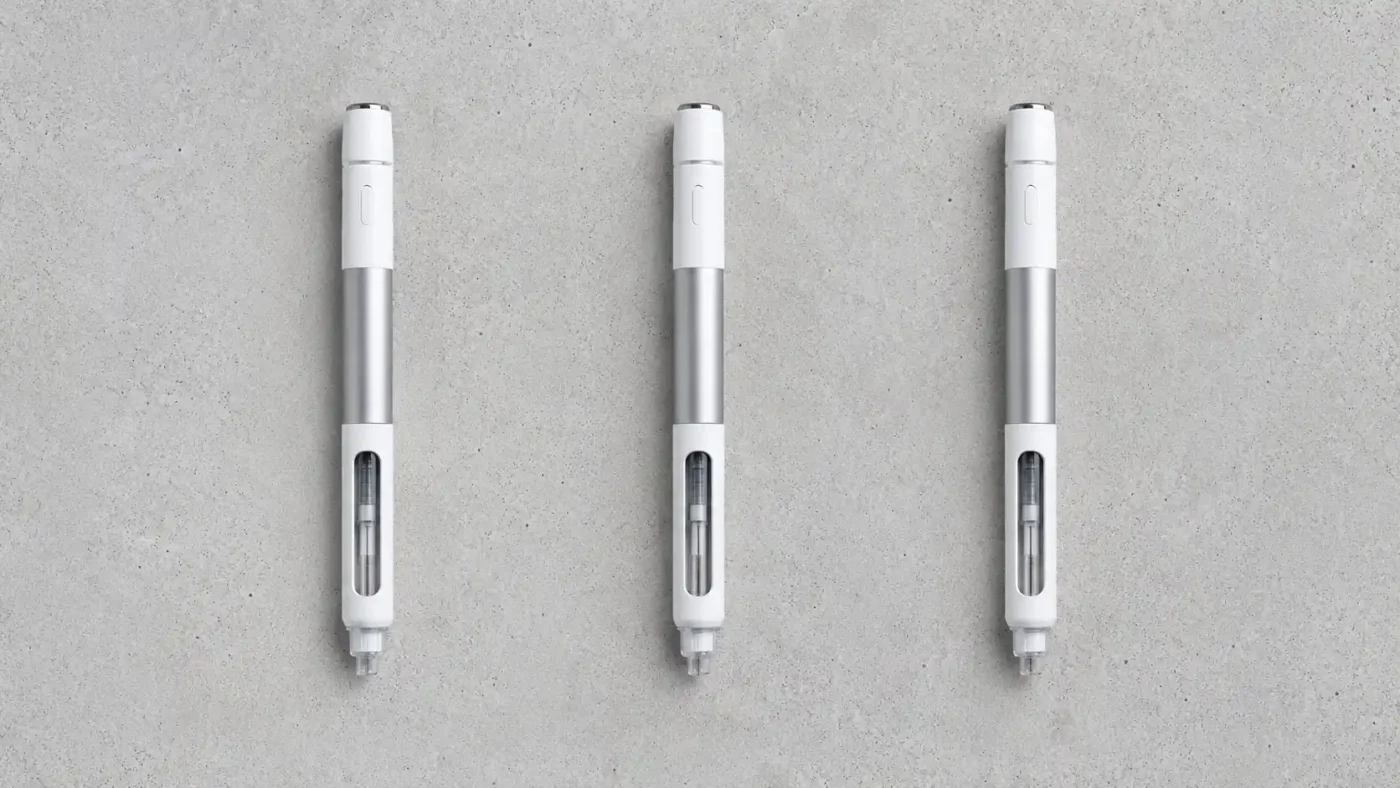
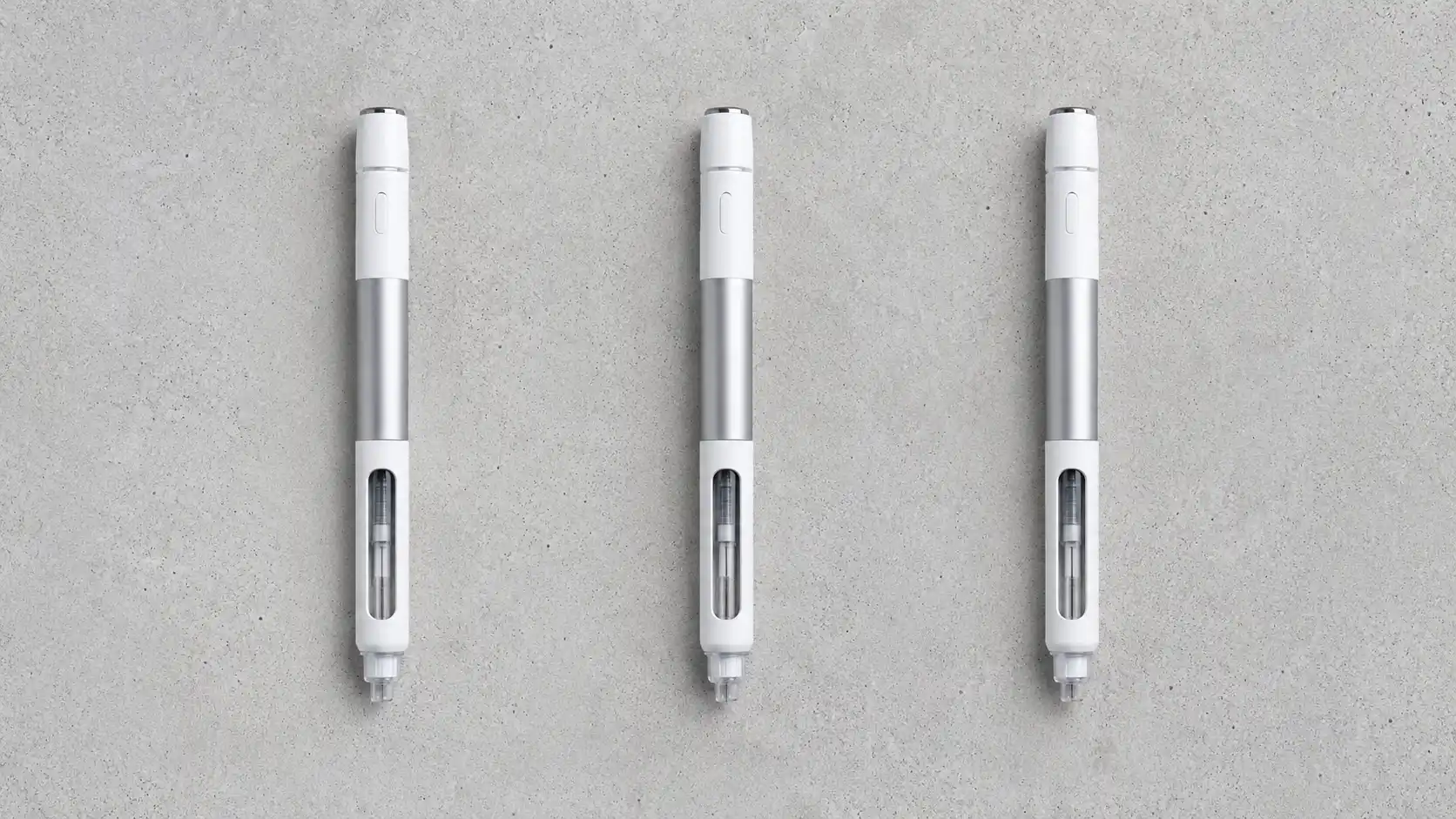
It is licensed in the UK, the US and the EU, so unlike retatrutide there is approved product information and a regulatory assessment to read rather than only trial registry entries. For dual pathway work the Synedica Tirzepatide 40mg pen kit is the matching format, built on the same hardware as the retatrutide pen so the two can run side by side without a method change.
In the tirzepatide vs semaglutide comparison specifically, the honest statement is that one adds a receptor target to the other. What that addition produces in a given model is the thing being studied, not something to be assumed in advance.
Retatrutide, the triple agonist
Retatrutide adds glucagon receptor activity to both of the others, which is the whole of the retatrutide vs tirzepatide difference. That third target is the most mechanistically interesting of the set, because glucagon receptor agonism pulls in a direction that looks counterintuitive next to the incretin pathways, and reconciling the two is a substantial part of what the research is about.
The crucial practical fact in any retatrutide vs tirzepatide discussion is regulatory. Retatrutide holds no marketing authorisation anywhere in the world. There is no approved product information, no regulatory assessment report, and the published record consists of trial registry entries and papers rather than a label. The Synedica Retatrutide 40mg pen kit exists for research use and nothing about its availability implies anything else.
Questions about retatrutide dosage, retatrutide side effects and whether retatrutide is safe are therefore answered by the trial record directly, not by any secondary source. The reconstitution arithmetic is a separate matter and is covered in our retatrutide dosage calculator guide.
Why cross-trial comparison is the trap
Here is the part that most retatrutide vs tirzepatide content gets wrong, confidently and at length. You will find retatrutide vs tirzepatide tables ranking the three compounds by headline percentage outcomes drawn from their respective trial programmes, presented as though those figures were measured against one another.
They were not. STEP, SURMOUNT and TRIUMPH are separate programmes with different enrolment criteria, different baseline populations, different durations, different titration designs and different endpoint definitions. Lining their headline numbers up in a column produces something that looks like a comparison and is not one. Statisticians have a name for this, and the reason head to head trials are expensive and rare is precisely that indirect comparison does not substitute for them.
This matters practically, not just pedantically. A research design built on a false ranking will be powered against the wrong expected effect size, which is how a study ends up unable to answer its own question. If you need a comparative figure, the only legitimate sources are head to head trials where they exist and formal network meta-analyses where they do not, both of which carry explicit statements about their own limitations.
So this guide gives no league table. The receptor pharmacology above is a real difference you can design around. A ranked list of percentages pulled from three unrelated studies is not.
Practical differences in handling
All three are research peptides of broadly similar size, between roughly 4,100 and 4,900 daltons, so the handling requirements are near identical. Lyophilised, stored at 2 to 8 degrees Celsius, reconstituted with bacteriostatic solution down the cartridge wall rather than onto the cake, never shaken. The technique is covered in our peptide reconstitution and storage guide and the device mechanics in how to use a peptide pen.
The one difference worth planning around is fill size. Our retatrutide and tirzepatide pens hold 40mg while the semaglutide pen holds 8mg, so for a given reconstitution volume the semaglutide cartridge sits at one fifth the concentration. If you are running all three, reconstitute to concentrations you have chosen deliberately rather than pouring the same solvent volume into each and discovering the mismatch afterwards.
Keeping all three on identical pen hardware is the reason that mismatch is the only variable you have to think about. Same barrel, same needle thread, same graduation scale, same certificate format.
Which one for which question
- Isolated GLP-1 receptor signalling, or a reference arm for a retatrutide vs semaglutide design, means semaglutide. Nothing else in the set gives you a clean single target.
- Combined GIP and GLP-1 activity without a glucagon component means tirzepatide, and it has the advantage of an approved label to read.
- Glucagon receptor activity alongside both incretin pathways means retatrutide, with the regulatory position noted above.
- A full retatrutide vs tirzepatide vs semaglutide comparison in one protocol means buying all three and running them yourself, which is the only way the comparison becomes legitimate rather than borrowed.
Where to read the primary research
- Structures, molecular data and the full synonym lists for all three compounds on PubChem, from the US National Library of Medicine.
- The STEP, SUSTAIN, SURPASS, SURMOUNT and TRIUMPH programmes with their registered endpoints, enrolment criteria and durations on ClinicalTrials.gov. Reading the protocols side by side is the quickest way to see why retatrutide vs tirzepatide headline figures are not comparable.
- Peer reviewed trial reports, systematic reviews and network meta-analyses through PubMed Central.
- Approved product information for the two licensed compounds from the MHRA, the FDA and the EMA.
The Synedica range
All three compounds ship on the same pen hardware with the same documentation standard, a batch code on the barrel mapping to an HPLC result for that production run. That consistency is what makes running them side by side practical. The full catalogue of Synedica research peptides sits on the Synedica homepage, and the individual products are below.
For a quotation, or the certificate of analysis for the batch currently in stock before you buy retatrutide uk side, reach us through the contact page.
